


Head of the Delegation of the European Union (EU) Michael Davenport began the second day of his visit to southwest Serbia by talking to the Mayor of Nova Varoš and his associates about the local self-government’s plans for further development and cooperation with the programme European PROGRES.
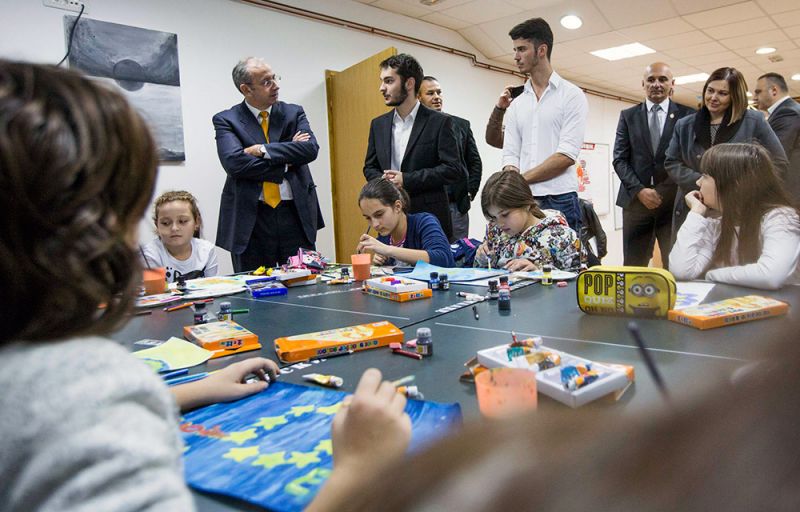
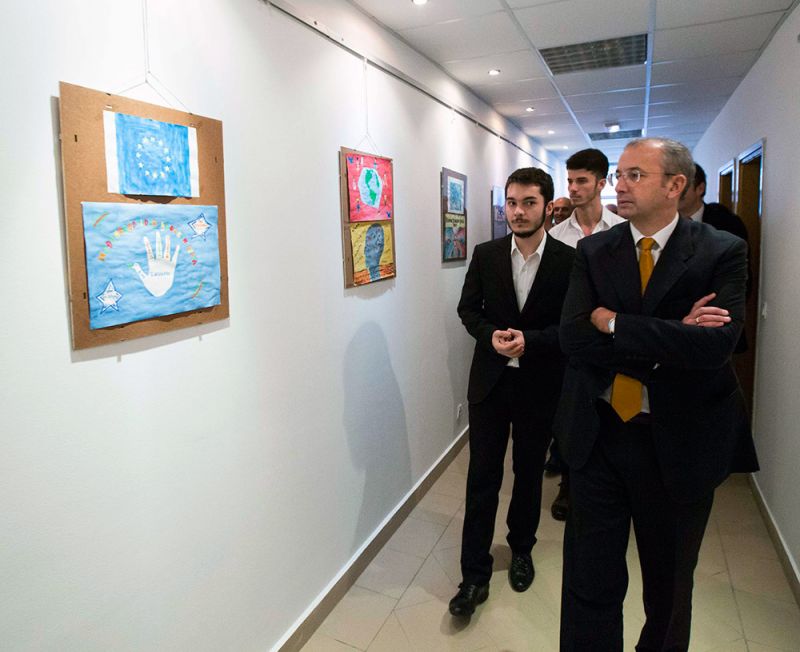
Ambassador Michael Davenport thereafter attended an event at the Grammar School "Pivo Karamatijević" in Nova Varoš where the school magazine Skica was presented, which pupils have launched as part of the campaign, "If you have something to say – say it," and in which they write creative papers about daily school activities as well as on topics presented in Evropski dnevnik.
“It is important to hear the views of young people on education, career and important social issues that affect their lives, and in the following period the pupils will have the opportunity to continue to develop creativity, and maybe it will direct some of them to journalism or a similar profession," said the EU Delegation Head.
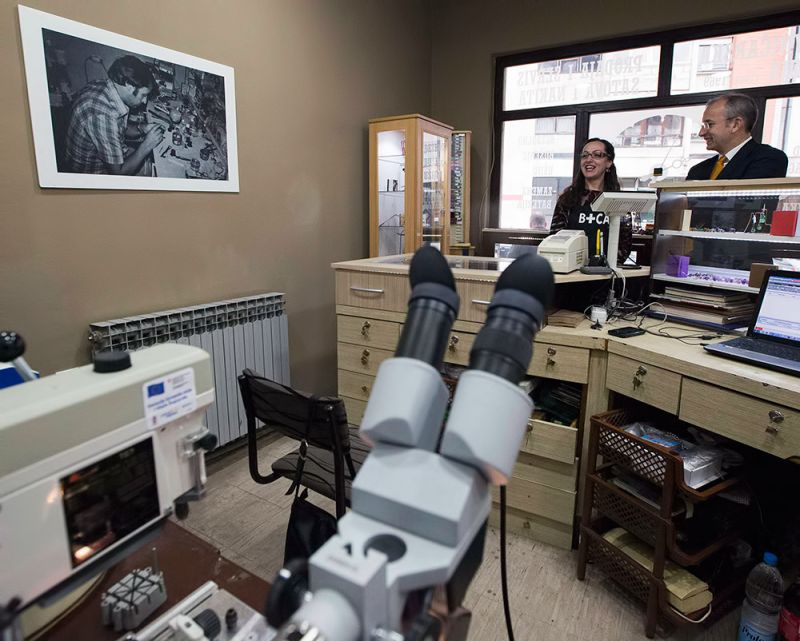
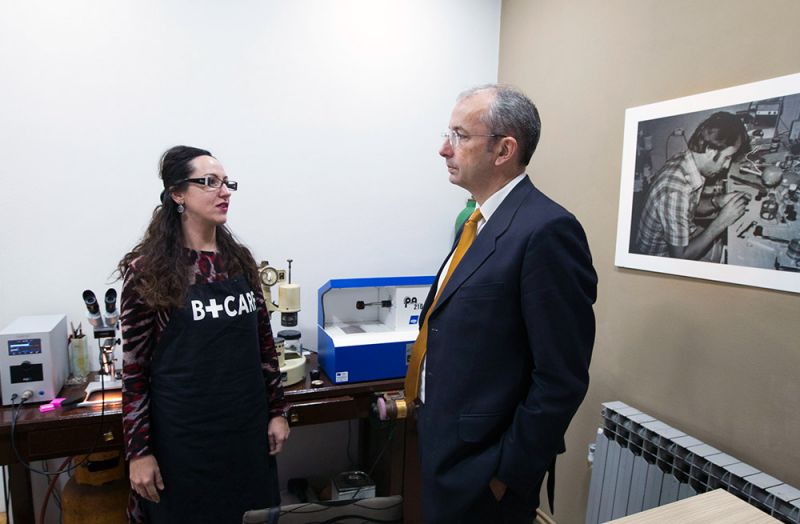
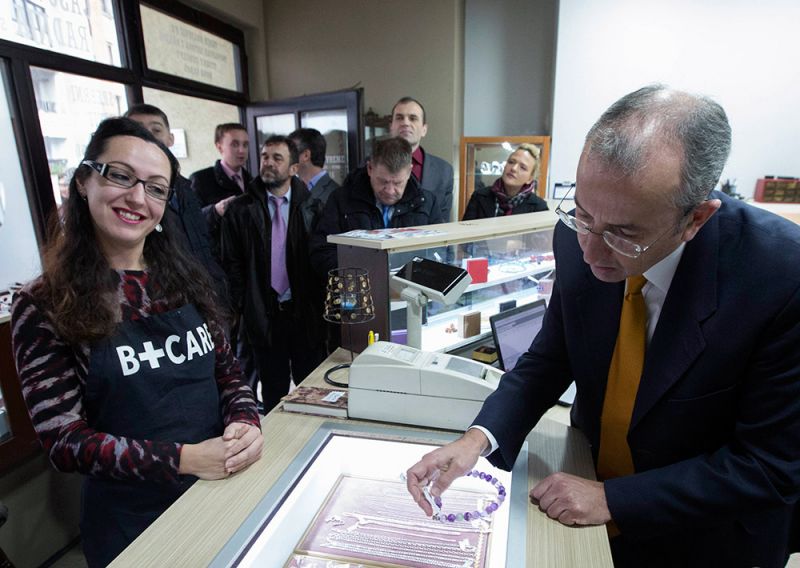
Davenport also visited entrepreneur Tanja Roljević in Nova Varoš, who is one of 45 women that received support from the European Union and the Swiss Government amounting to EUR 357,000 to launch their businesses with the prospect of creating new jobs.
"The assistance provided by the European Union and the Governments of Switzerland and Serbia gave me the self-confidence to go further, as well as belief that my ideas can materialise," said Tanja Roljević who returned to her native town after several years in Belgrade, and with the support of donors has revived a family shop for repairing watches and further expanded the activity so as to include manufacturing of jewelry.
While congratulating Tanja Roljević on the success accomplished, Ambassador Davenport underlined that gender equality was one of the fundamental values ​​of the European Union, and that through this initiative women, as well as their families and the local community, are economically empowered.
"Support to women's entrepreneurship is important for the entire society, because if we want faster development, we need more working women, we need to ensure that they have an opportunity to use their knowledge, skills and abilities," said Davenport.
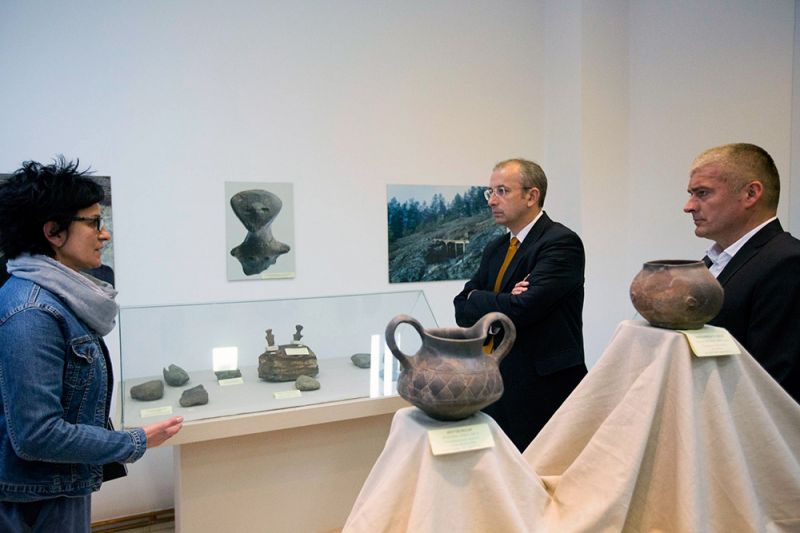
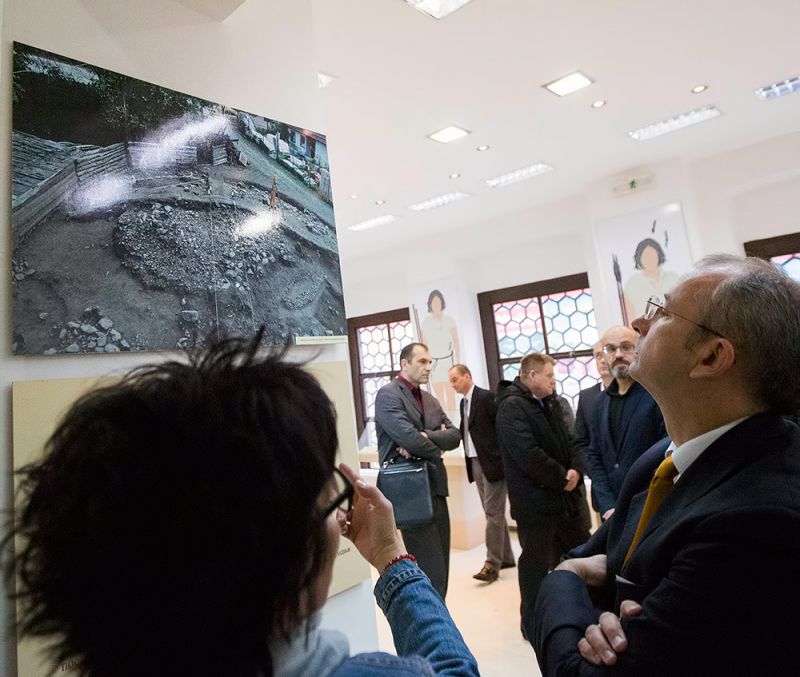
In Priboj, after the meeting with the President of the Municipality, Lazar Rvović, the Head of the EU Delegation visited the Homeland Museum, which was reconstructed with funds provided by the EU and the Swiss Government with a view to preserving the valuable archaeological heritage of Serbia, which is an integral part of the European cultural heritage.
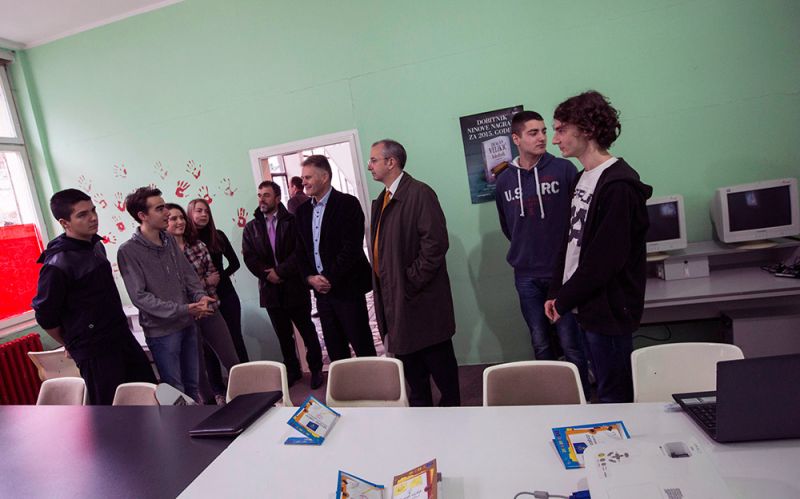
At the youth center, whose renovation and equipping was supported by the EU, Ambassador Davenport met with young volunteers and pupils from Priboj and discussed about Serbia’s European path and what it entails for young people. Young people from Priboj were particularly interested in the possibility to participate in European student exchange programmes, and cooperation in the fields of culture and education.
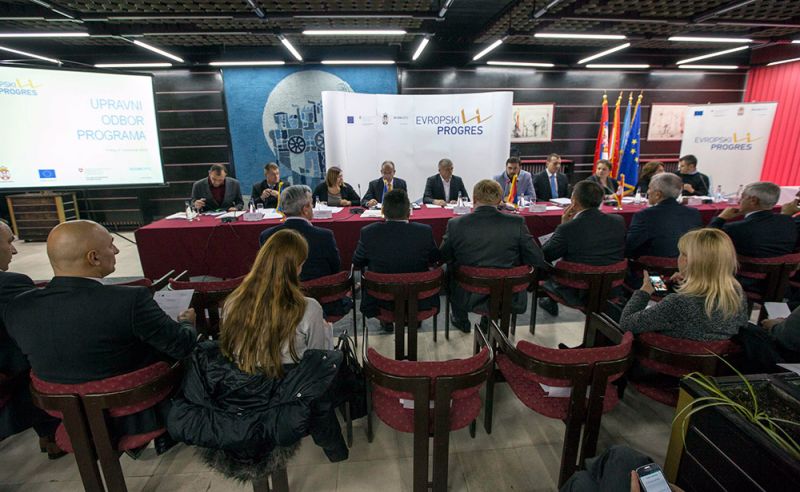
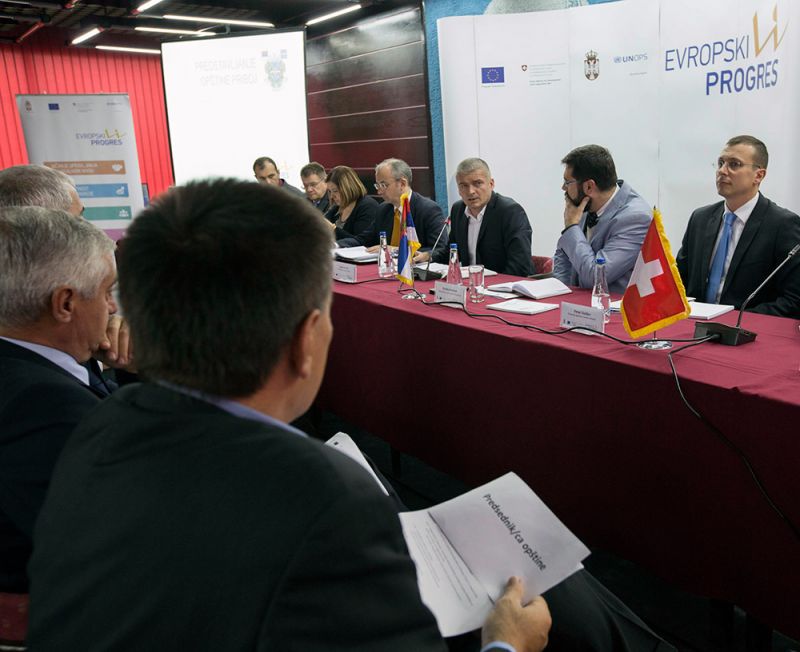
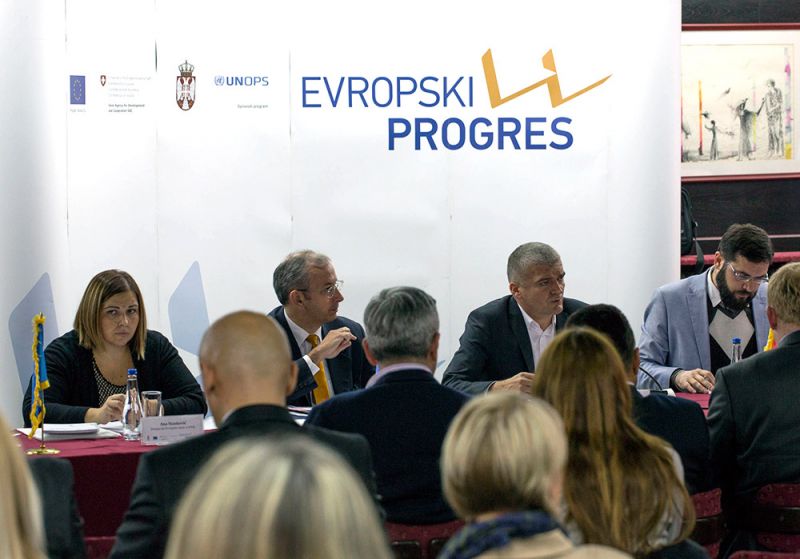
EU Delegation Head Michael Davenport finished his two-day visit to southwest Serbia by participating in the tenth meeting of the Steering Committee of the development programme European PROGRES in Priboj, and said that the accomplishment of the final, shared goal - a better life for citizens in 34 municipalities in southeast and southwest Serbia - requires that all partners, especially municipalities and towns, invest efforts and implement all the projects commenced during this crucial, final year of the Programme implementation.
"We can be satisfied with the results of the 86 projects completed so far, among which I would single out the support to women entrepreneurship and partnership projects between civil society organizations and municipalities, which made possible the creation of more than 60 new jobs and economic empowerment of several dozens of families, as well as projects for the development of technical documentation thanks to which several municipalities have ensured donor funds for the performance of works ", said the Head of the EU Delegation to Serbia, Michael Davenport.
As especially important, he pointed out the activities of European PROGRES aimed at employing young people and women, and the empowerment of small and medium-sized enterprises in this area so that they can be more successful and create jobs.
"In the coming years, we expect the EU to contribute to the creation of more than a thousand jobs through this program, as well as the municipalities to improve infrastructure and attract investments, striving all the time for improvement of the status of the most vulnerable and raising the standard of living," the EU Delegation Head added.
Davenport said that the European Union would continue to support balanced regional and local development even after the completion of European PROGRES, and that local self-governments, civil society organizations, and increasingly representatives of the business sectors, had to be ready to seize these opportunities.
"That is why it is important for municipalities to continue the implementation of the reforms, adhering to the framework and guidelines of the Serbian Government, to develop projects and establish the best teams for their implementation, and the European Union and our partners, the Governments of Switzerland and Serbia and the United Nations Office for Project Services (UNOPS) will stand ready to help," concluded Ambassador Davenport.
As Branko Budimir, Chairman of the Steering Committee of the programme European PROGRES, and Assistant Director of the European Integration Office said, the focus is now on the implementation of projects, and it is of particular importance to make the best use of the presence of the programme on the ground in the local offices in Novi Pazar, Niš and Vranje.
Members of the Steering Committee approved at today's meeting the financial support for seven projects of agricultural associations and cooperatives in the total value of 208,000 Euros, aimed at improving agricultural production and empowering rural households. Likewise, financing was approved for 18 projects to support local gender equality mechanisms in the amount of 52,500 Euros whose implementation should contribute to improving the status of women, their economic empowerment, as well as to the advancement of their reproductive health and promotion of the gender equality principle among decision makers at the local level.
