


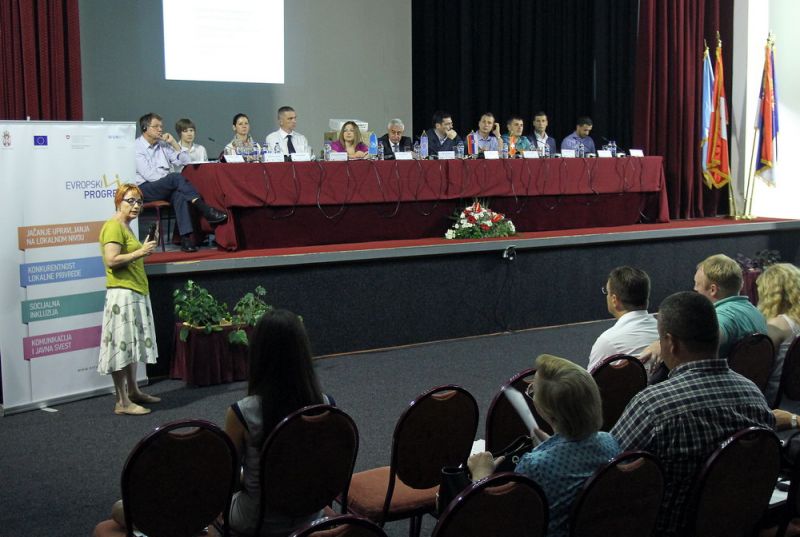
At the first annual meeting the European PROGRES Steering Committee approved in principle the plan for realization of the final works at the new hospital block in Vranje and construction and equipping of the building of emergency service block in Novi Pazar. These two projects for which the European Union plans to allocate almost 3.5 million Euros provided all conditions are meet, will contribute to improvement of health services quality for half a million inhabitants in Pčinja and Kosovo-Pomoravlje districts, i.e. Novi Pazar and the surrounding municipalities.
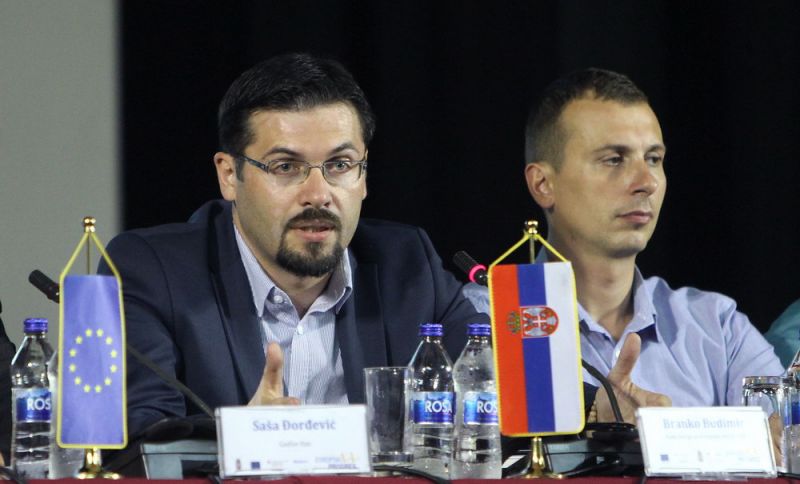
During the presentation of the progress achieved by the Programme throughout the first year it was emphasized that the European Union and the Swiss Government provided almost 2.8 million Euros for 82 projects in the areas of infrastructure, competitiveness of municipalities and good governance. Since June 2014 six calls for proposals have been conducted and additional three initiated including the call for proposals for the local infrastructure projects announced by the Department for Contracting and Financing of the EU Funded Programmes (CFCU) of the Government of Serbia’s Ministry of Finance Branko Budimir, chairman of the Steering Committee and Assistant Director of the European Integration Office of the Government of the Republic of Serbia commended the progress achieved during the first year of the Programme but he also pointed out the need for local governments to invest effort so that the projects could achieve expected impacts and become sustainable. Mr. Budimir also said he expected the municipalities to prepare enough good quality projects to use up the funds that will be at their disposal through the European PROGRES.
Construction of the building of a bilingual department of the Faculty of Economics from Subotica that is expected to open in Bujanovac in October 2015 was also mentioned as one of the key results. Besides construction of the building, the Programme will promote multi-ethnic cooperation and provide assistants to the teachers of Serbian as a non-native language in schools in Preševo and Bujanovac.
European PROGRES also provides technical assistance to municipalities for preparation of programme budgeting and capital investment planning, development of gender equality mechanisms and inclusion of the most vulnerable groups. Training on contract modality of the International Federation of Consulting Engineers (FIDIC) was also organized as part of the Programme in order to raise capacity of municipalities to independently manage infrastructural projects.
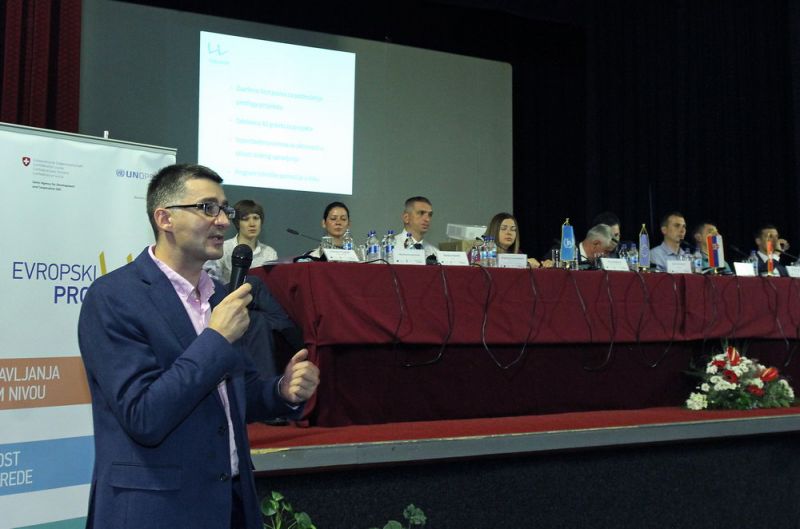
Summarising conclusions from the discussion at the meeting, Graeme Tyndall, European PROGRESS Programme Manager, said that there was agreement that the Programme should intensify support to small and medium enterprises, Roma and the youth. Programme will also try to address some of the proposals in the area of infrastructure such as the works on flood protection that regularly affect the municipalities in the South and South West Serbia.
“We have established a good basis for successful implementation, a great number of projects has been approved and the development of new projects is in progress” said Mr. Tyndall underlining that in the second year he expected greater participation and accountability from municipalities. “However, frequent political changes on the local level as well as the lack of economic projects were a big obstacles in the previous year and if this proceeds it could diminish the Programme effects in the long run.”
During today’s sixth meeting the Steering Committee approved the criteria for public calls for introduction of quality standards in small and medium enterprises and for projects dealing with protection of geographic origin. Both initiatives in the total value of 177.000 Euros aim to improve the competitiveness of the municipalities covered by the Programme. Support for the introduction of international quality standards will add to development of potentials for growth and better product quality through introduction of standards in at least 30 small and medium enterprises i.e. agricultural cooperatives. Projects providing protection of geographic origin will help at least three new agricultural products to be registered for protected designation of origin or protected geographical indication.
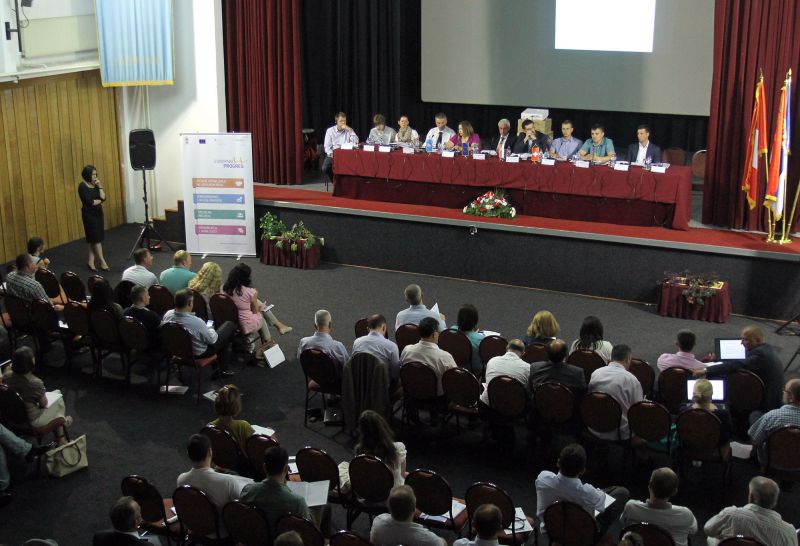
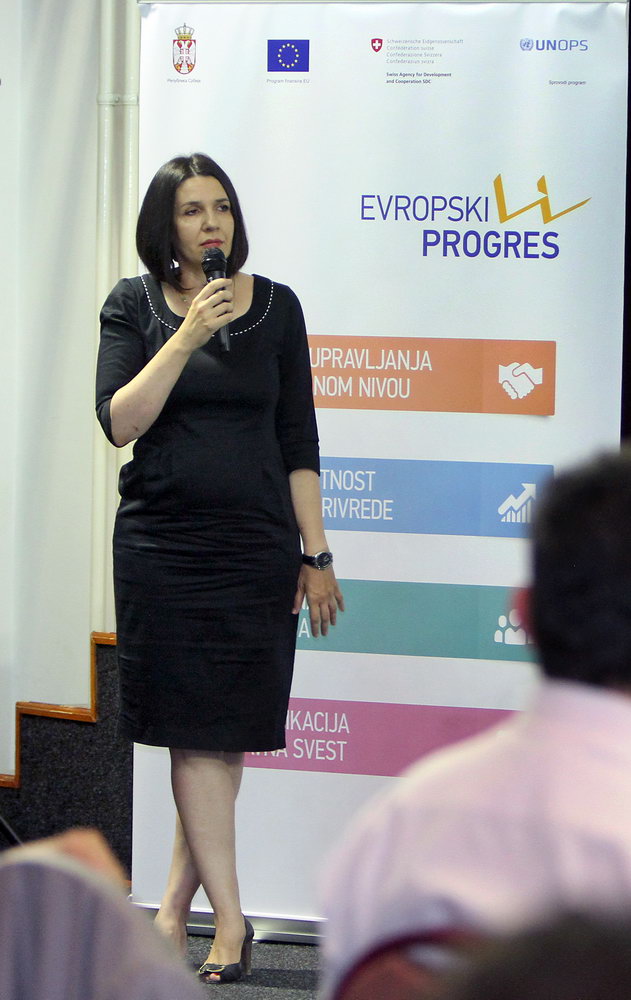
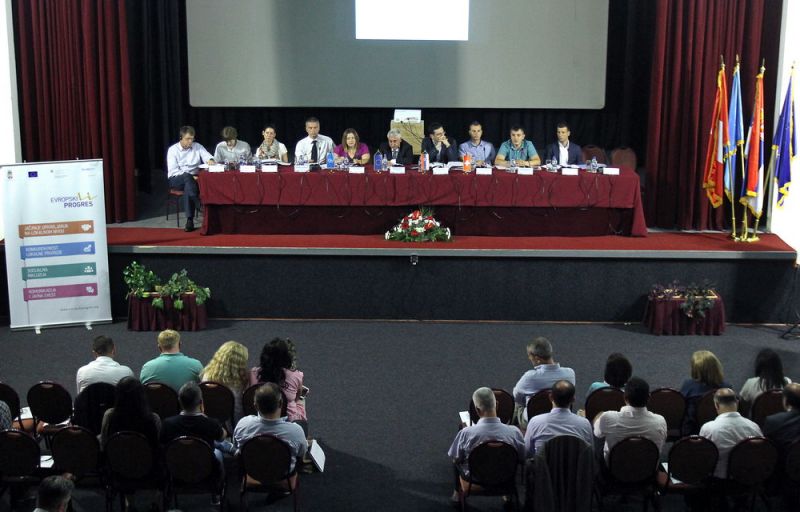
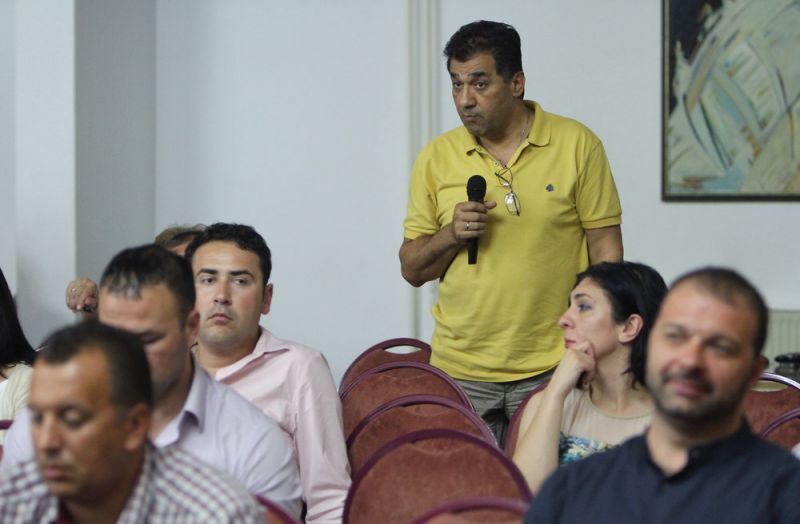
The European Integration Office of the Government of the Republic of Serbia presided over the meeting attended by the representatives of the ministries of the Republic of Serbia, municipalities taking part in the implementation of the European PROGRES, representatives of development agencies and projects, civil society and the donors – representatives of the European Union and the Swiss Government.
The activities of the European PROGRES, the programme contributing to sustainable development of South East and South West Serbia are financed by the European Union and the Government of Switzerland in the amount of 24.46 million Euros. The approved projects will aim to strengthen the local administration, create a friendly environment for development of infrastructure and economy as well as improve implementation of social inclusion and employment policy.
