


The European Union (EU) and Swiss Government have thus supported numerous relevant projects and activities aimed at putting in place a legal and institutional framework for the further development of gender equality at the local level, both through European PROGRES and the other development programmes that preceded it in the past decade.
European PROGRES has, over the past three years, provided funding for human rights initiatives, projects aimed at economic empowerment of women and improving women’s health care. Through local gender equality mechanisms alone, aimed at improving the social and economic status of women at the local level, eighteen projects were implemented in the Programme municipalities. More information about these projects is available here.
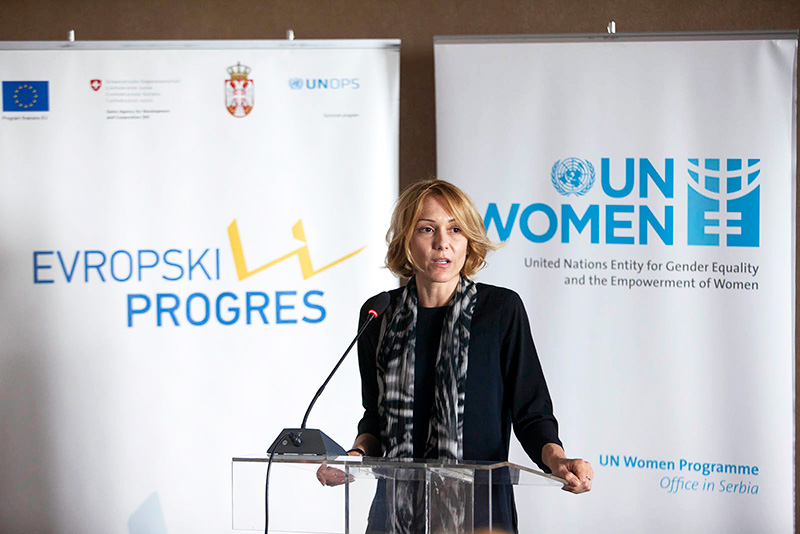
The Serbia Office of UN Women, the United Nations entity for gender equality and the empowerment of women, has also implemented a number of activities designed to build the capacity of councilwomen in ten Serbian municipalities through European PROGRES. The beneficiaries of this project had the opportunity to attend a number of trainings aimed at ensuring active, informed and effective participation of women in local policy making.
This long-term strategic approach has yielded major results and led to positive changes. Namely, the share of councilwomen in local Assemblies ranges between 20 and 25 percent, all 34 local self-governments in the European PROGRES Programme Area have local gender equality mechanisms, 30 of them have adopted the European Charter for Equality of Women and Men in Local Life and most have enacted local action plans.
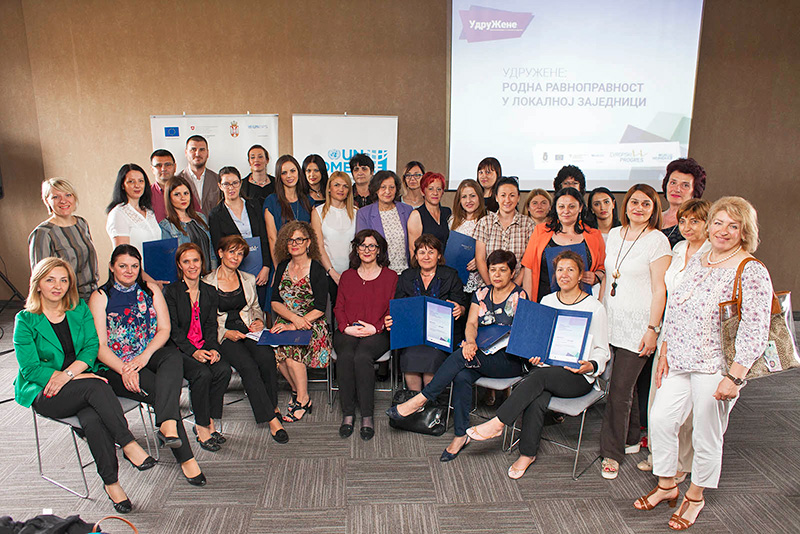
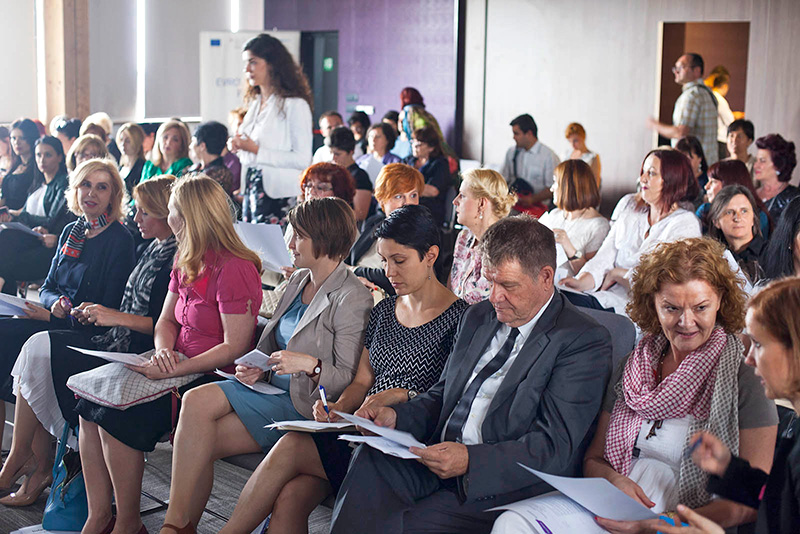
At the event entitled “Women Together: Gender Equality in the Local Community”, organised to mark the success of this year’s initiatives and rallying over 100 councilwomen and councilmen from South-East and South-West Serbia, Branka Drašković, the adviser to the Serbian Deputy Prime Minister and Chairwoman of the Gender Equality Coordination Body, underlined that every state committed to economic and social prosperity puts significant efforts into the empowerment of women and enhancing their involvement in the political, economic and social life.
National Assembly Deputy and coordinator of the national Women’s Parliamentary Network Stefana Miladinović recalled that women rallying in informal groups in legislative bodies succeeded in reaching consensus on specific social issues despite their differences, thus promoting a different kind of political dialogue. “Guided by the idea of female solidarity and encouraged, we today want to change both society and politics, and ourselves,” she said.
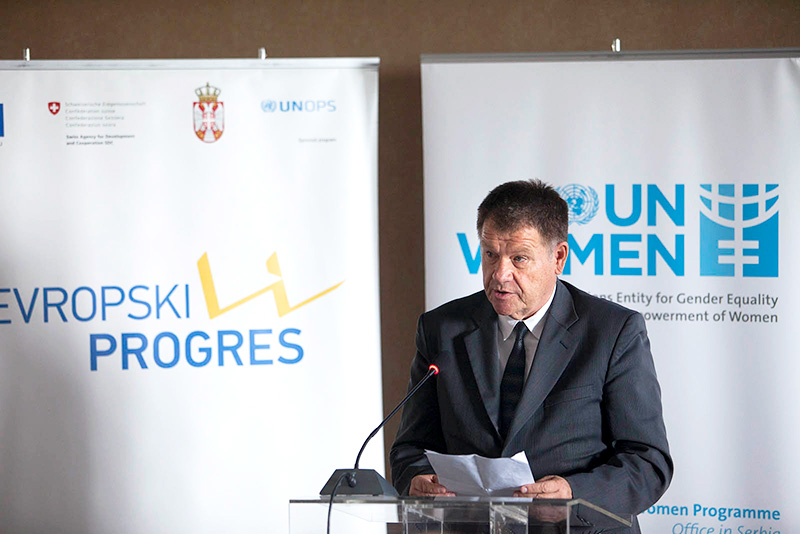
“We didn’t just talk about gender equality. We implemented it at all levels of society and government and in tandem with the non-government organisations, particularly those promoting the rights of Roma women and men and women in general,” European PROGRES Programme Manager Graeme Tyndall said at the event, noting that gender equality and the economic empowerment of the vulnerable were the core elements of the work of the United Nations Office for Project Services (UNOPS) in Serbia, which has been implementing this development programme.
The European Union and Swiss Government remain committed to working towards achieving gender equality, because it is a step towards the creation of a socially and economically prosperous society providing everyone with equal opportunities.
