


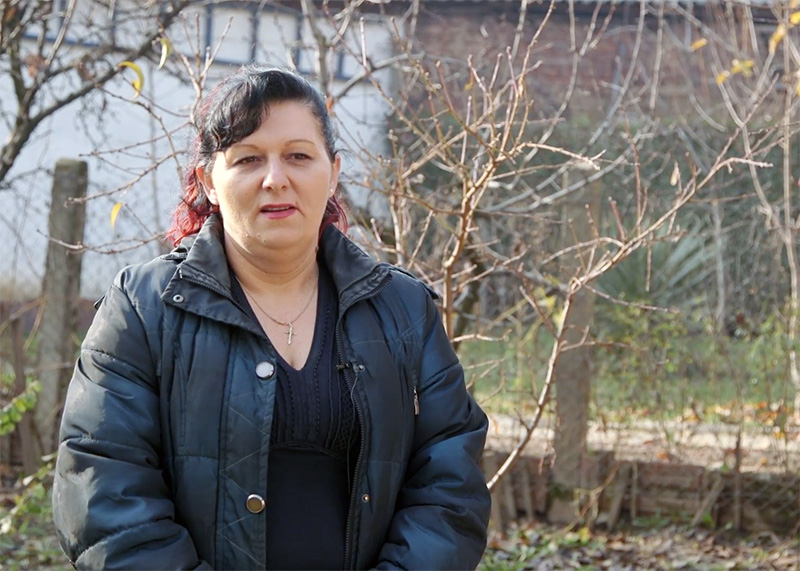
In Serbia, a variety of social and economic problems leave PWDs off the priority list. According to the “2013 Holistic Report: Monitor Your Rights” and the Republic of Serbia official statistics, dating back to 2014[1], there are between 700,000 and 800,000 people with some form of disability in Serbia, who have poor or no access to work opportunities, or who are commonly discriminated against in employment and at the workplace.
Similarly, the majority of the approximately 2,000 inhabitants of Jablanica District living with disabilities is well below the poverty line, while only 13 percent are employed.[2] The problem has been recognised by the Leskovac City administration, which included equal access to the labour market as one of the strategic goals of the Employment Local Action Plan, with special focus on the employment of PWD.
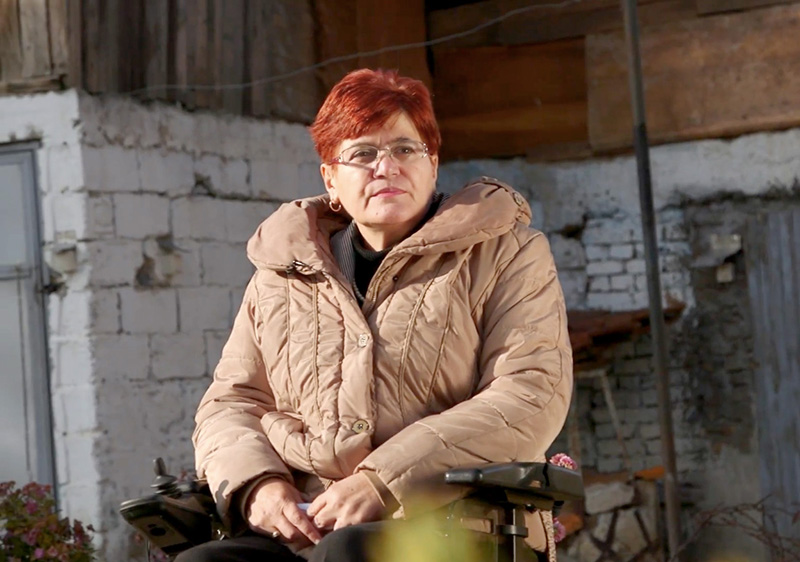
The Muscle Dystrophy Association of Jablanica District, based in Leskovac, has been a staunch supporter of the PWD rights for over forty years. Much of the projects they implemented in the past five years have been made possible by the support of the European Union (EU) and the Government of Switzerland through their development programmes.
Currently, the Association is focussing on economic empowerment of PWD by strengthening their capacities for self-employment. The ongoing project, realised through European PROGRES, is financed with 13,192 Euros by the EU and the Government of Switzerland, and co-financed by the City of Leskovac.
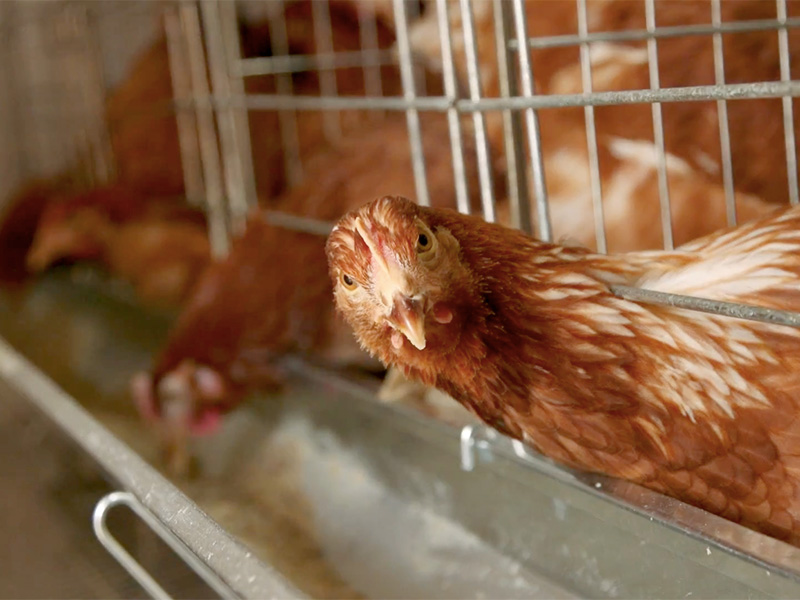
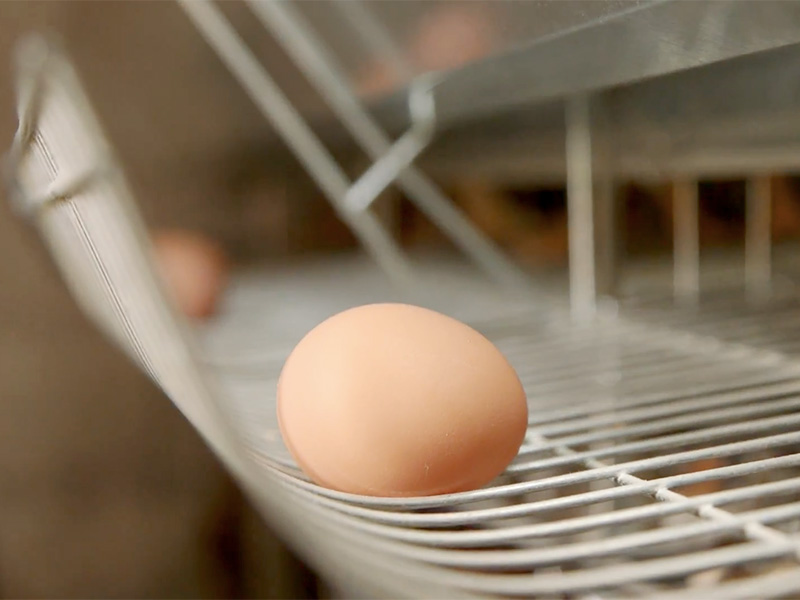
Nine families of PWDs, two of which have more than one member with a disability, are being provided with 100 egg-laying hens each, all the necessary equipment, as well as poultry feed for the first three months. Aside from that, the nine PWDs and nine of their family members underwent trainings in hen keeping and business-plan development.
“The idea for the project came from a research into the needs of the Association’s members and their interest in hen-keeping, specifically,” explains Gordana Stojanović, President of the Association.
The project has been tailor-made for PWDs, as hen-keeping is not labour intensive, while it’s easily sustainable. The coups need to be renewed every twelve months, after which the beneficiaries can continue collecting and selling eggs for as long as they wish. A small portion of the accumulated funds would be allocated for purchasing new hens, while the rest of the earnings would boost the economic standing of the families, and provide the beneficiaries with financial independence. The families are even interested in expanding their production, once the project ends. Both Biljana Jovanović, an unemployed mother of two boys with muscle dystrophy, and Bojan Pešić who, despite living with dystrophy, is the sole provider for his family, are planning on growing their coups.
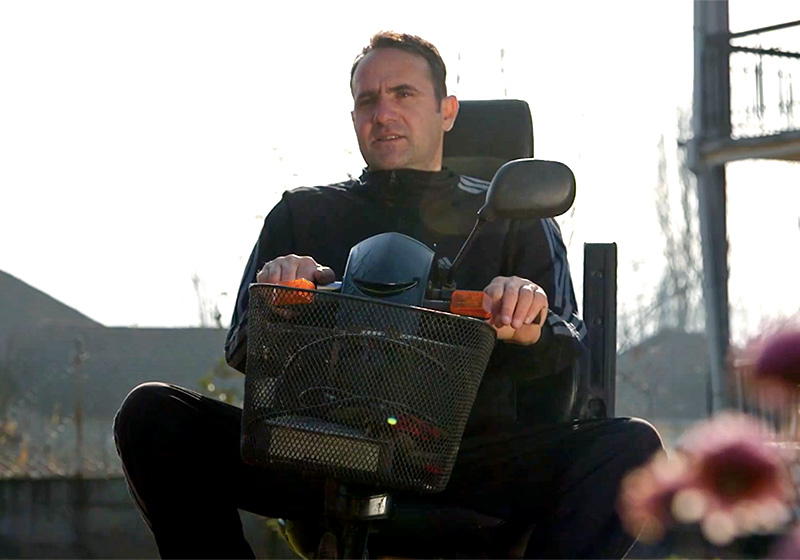
“My wife is unemployed and my son is in school, meaning I am the only one bringing an income. My pension is very modest, insufficient for a comfortable existence, so this donation will vastly help improve the life of my family,” concludes Bojan.
With strong family support systems in place, and the financial assistance from the donors, these nine individuals are on their way to a more secure future. More initiatives that take cues from the individuals in need and provide assistance tailored to their necessities lead to stronger and happier communities. That is why European PROGRES nurtures projects – as the old saying goes, a hen is only an egg's way of making another egg.
[1] http://www.euractiv.rs/ljudska-prava/6272-najvei-problemi-osoba-sa-invaliditetom-zdravstvo-i-posao
[2] Ministry of Labour, Employment, Veteran and Social Affairs http://www.minrzs.gov.rs/lat/informacije/najcesca-pitanja
