


“It’s as simple as this: no infrastructure - no jobs,” says Graeme Tyndall, European PROGRES Programme Manager. “When the country does not have adequate property and roads to accommodate potential production and transportation of produced goods, the investors, with their business ventures and jobs, go elsewhere. Infrastructure development is the key to the overall advancement of the region’s competitiveness”.
Investors go where there are preconditions for production - facilities and transport capacity. Therefore the development of infrastructure is a key to the overall development of the area
This especially applies to the underdeveloped municipalities of South East and South West Serbia where, in a vicious cycle, depleted economy caused decline in population, resulting in insufficient users’ contribution to local budgets and leaving accrued funding inadequate to cover repairs, let alone renovation of the obsolete infrastructure unable to cater even to the needs of the citizens.
Although line ministries and municipalities recognise the importance of capturing the funding opportunities, the majority of the local self-governments in Southern Serbia do not have necessary capacities to prepare the project proposals that could secure funding for their important municipal initiatives.
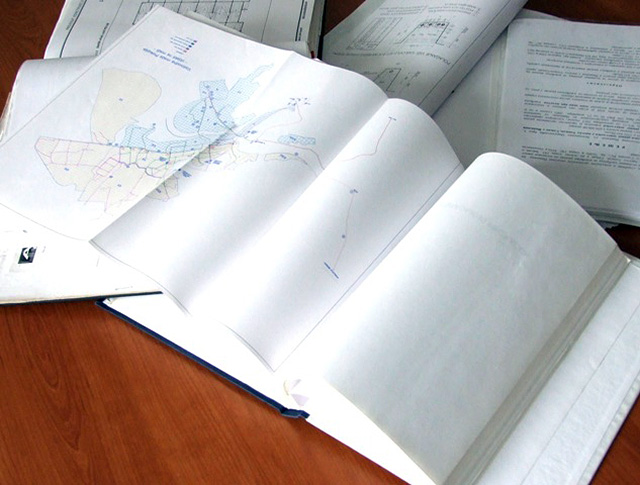
To address this gap between beneficiaries and donors, European PROGRES works directly with 34 municipalities to strengthen their capacity to effectively manage the whole infrastructure project cycle – from conception and prioritisation through design and financing to implementation and evaluation. In the design phase the Programme supports local self-governments to develop technical documentation for infrastructural projects.
“Technical documentation is a set of necessary documents required for a project to meet the set criteria of the calls for funding of the construction works. Poor quality of technical documentation means that infrastructure projects don’t get funded and this in turn hinders the overall development of infrastructure in Serbia,” says Jasmina ilić, European PROGRES Sector Manager for Infrastructure.
Correspondingly, European PROGRES organised a Call for Proposal for the Development of the Main Designs for Local Infrastructure Projects and in February 2015, the Programme Steering Committee approved funding of 40 out of 53 proposals submitted by 28 municipalities, in the total value of 608,984 Euros. The fact that only 19 of the endorsed projects are planning for the new infrastructure mirrors the most common problem that the municipalities are facing when preparing the required technical documentation - unresolved land ownership issues and lack of legal clarity in relation to property rights.
“Time demanding procedure to transfer land ownership from private to public domain often leads municipalities to opt for activities focused on restauration and strengthening of energetic resources which require less documentation but also have a short-term development impact rather than new infrastructure that would bring larger, lasting benefits,” says Ilić.
The European PROGRESS in February 2015 approved a total of 608,984 Euros for technical documentation needed for 40 different municipal infrastructure projects requested by 28 local self-governments
On a positive note, the amendments to the Planning and Construction Act introduced in March 2015 should bring solutions that would ease investments into infrastructure. Similarly, European PROGRES has planned a set of activities to strengthen the capacity of local self-governments to independently prepare and implement infrastructural projects. Besides technical documentation, relevant municipal staff will attend training programmes on FIDIC – preferred contract modality between employers and contractors on the construction projects.
“The road is long but we will get there. We expected that at least 40% of municipalities improve status of their urban planning and technical documentation by the completion stage of European PROGRES in 2017. This should in the long run result in the new and improved economic infrastructure which will enable creation of jobs and promote sustainable economic development which is the Programme’s absolute priority,” concludes Ilić.
